You Can Go Home Again
just knock on the door

When she excitedly reported I have a great story to tell you, I was eager to hear. We met in a San Francisco ceramic studio in 1975. Our time living in that city overlapped by just a few years so mostly we have kept in touch while living in different places.
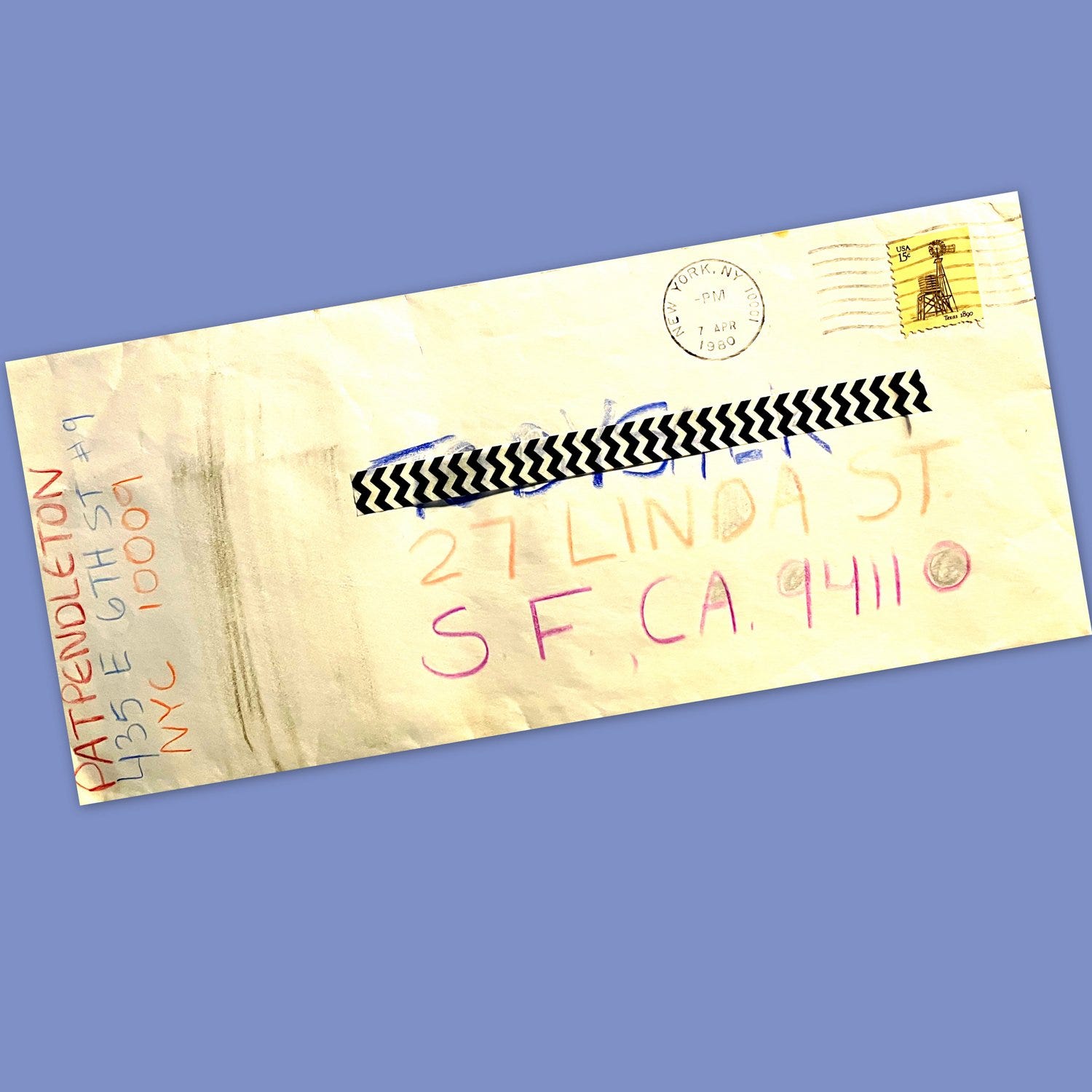
She began telling me about her day in San Francisco visiting some of the places in the Mission District of San Francisco where we share history.
First stop was Ruby’s Clay Studio and Gallery on Noe Street.
It’s still there!
Even though the founder, Ruby O’Burke is long gone, the studio continues to be a thriving art center. I recall visiting there for the first time with a boyfriend who had just arrived in town. After touring the studio, we walked by two women working with clay at a table near the door. The guy I was with had a tendency to flirt so he naturally said something to instigate an introduction. We became friends. She moved into a quaint apartment on Linda Street and I began living with the potter.
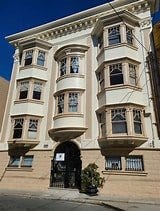
As we spoke on the phone about revisiting the ceramic studio and how emotional that had been for her, she went on to mention driving down Linda Street to see the historic early 20th Century building where she lived in for fifteen years. I also lived there for nearly two years in the late 1970s.
After the inevitable breakup with the potter occurred, my friend reached out one day excited to let me know that the older woman downstairs had passed away—a place in her charmed building would become available to rent. I wasted no time calling the landlord. Soon enough, I moved into my own apartment for the very first time at age twenty-five, an arrangement that has become more of a luxury as rents have skyrocketed over the decades. Thrilled as I was, the $175 monthly payment felt challenging on my waitress salary.
Sitting in her car out front of the Linda Street building, she noticed a woman walking towards the apartment steps. She called out to her and explained herself. The woman was visiting a boyfriend there and invited her inside to take a look at the first-floor unit that I once resided in and encouraged her to go up to her old top-floor place—told her They are very nice and sure to be welcoming.
That was she needed to walk up the creaky old steps and knock on the door in hopes of stepping inside nearly forty years later. A tall blonde answered and was receptive to the request to look around, pleased to hear the bits of history about the place. The classic old stove had been replaced. The tiny kitchen had once been the sacred space for talk over a candle-lit table and pots of tea.
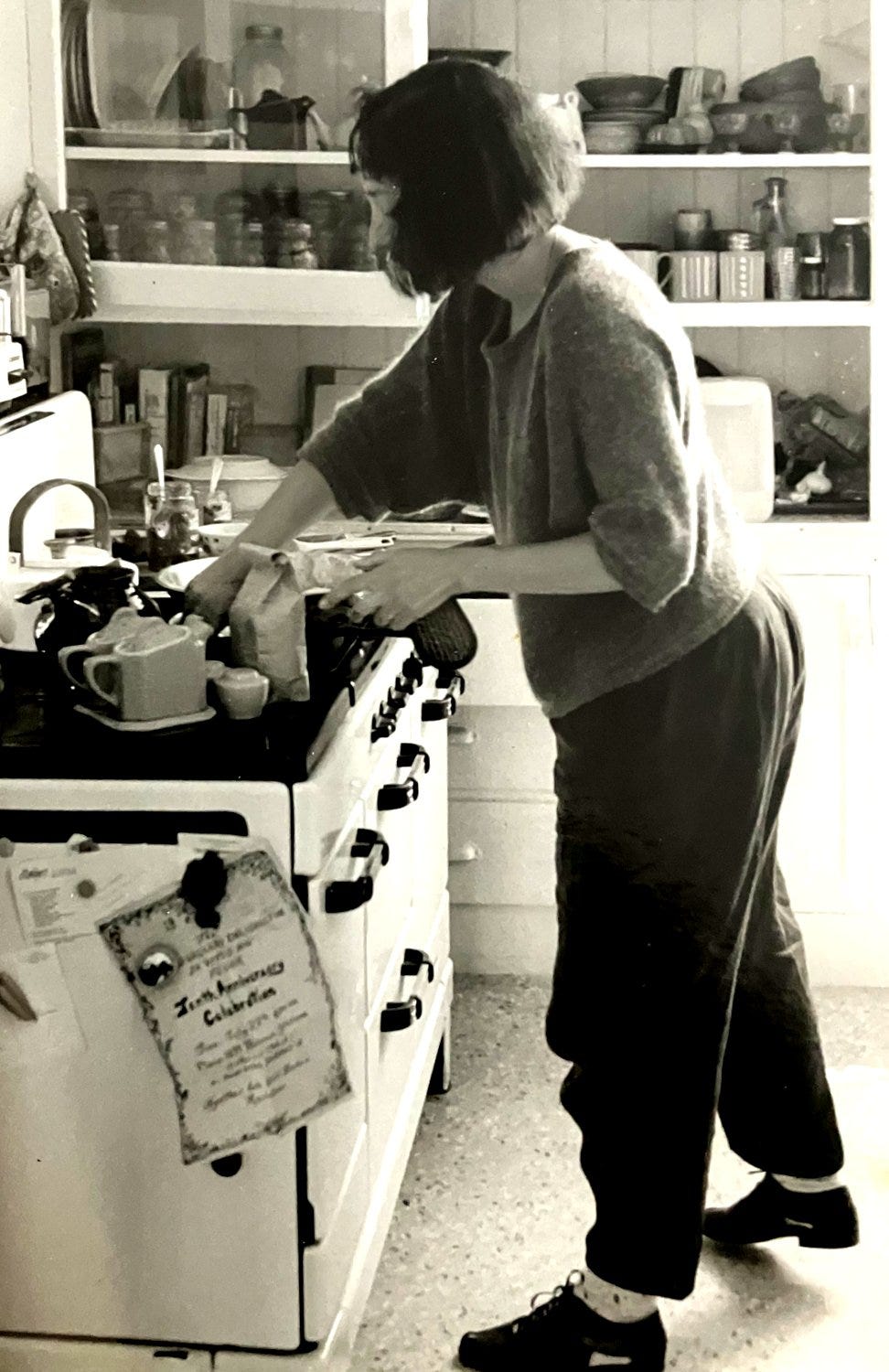
During her apartment tour, she peered into a closet and remarked I installed those shelves. All the painted wood floors had been refinished—the built-in cupboards and leaded glass doors in pristine order. That top floor space had the light and magical city views.
Talking on the phone about those years sparked a flood of recollections.
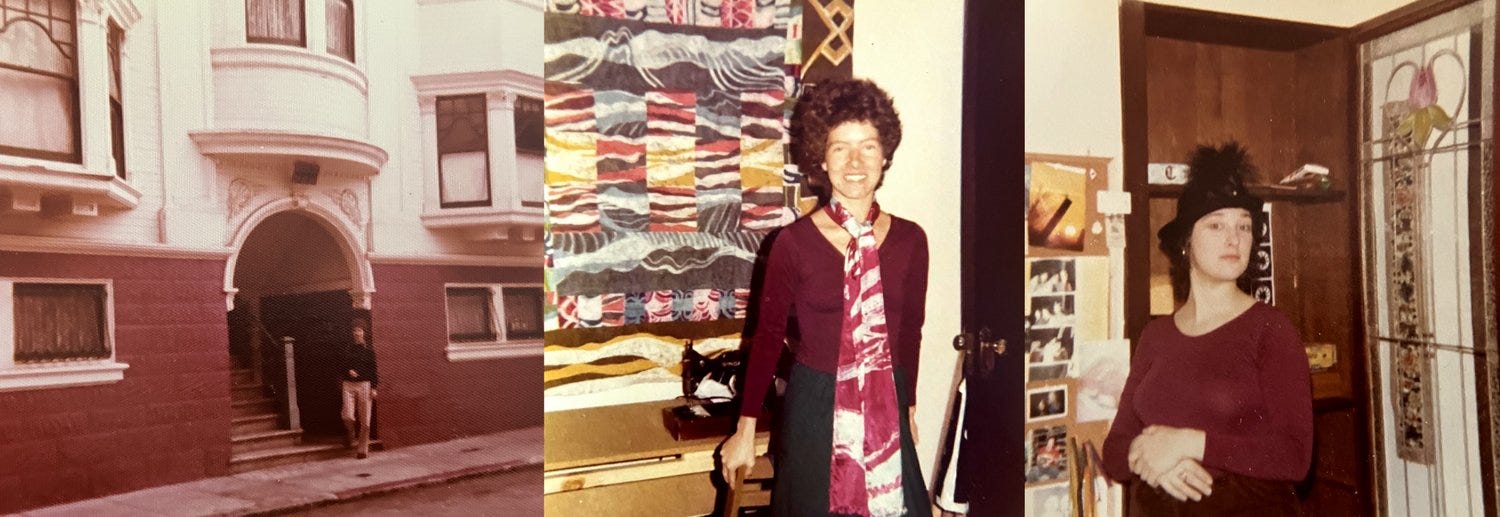
I recently read my story, Adventure, at an open reading at a local Buffalo bookstore. Mostly about a backpacking trip in Hawaii we took during that Linda Street era before I moved to New York, but it also refers to our fairytale lives in those apartments during the dawn of second-wave feminism. Most women at that time still tended to marry after college or sooner. The rest of us were seeking independence and a life of our own making without really knowing what that might look like. That Mission neighborhood was a haven for counter-culture good intentions in a time of many possibilities. Whatever was happening in the larger world did not seem to interfere too much with what we were doing.
The shape of becoming for anyone seems to be constructed from who, what, where:
Who we associate with.
What we do.
Where we live.
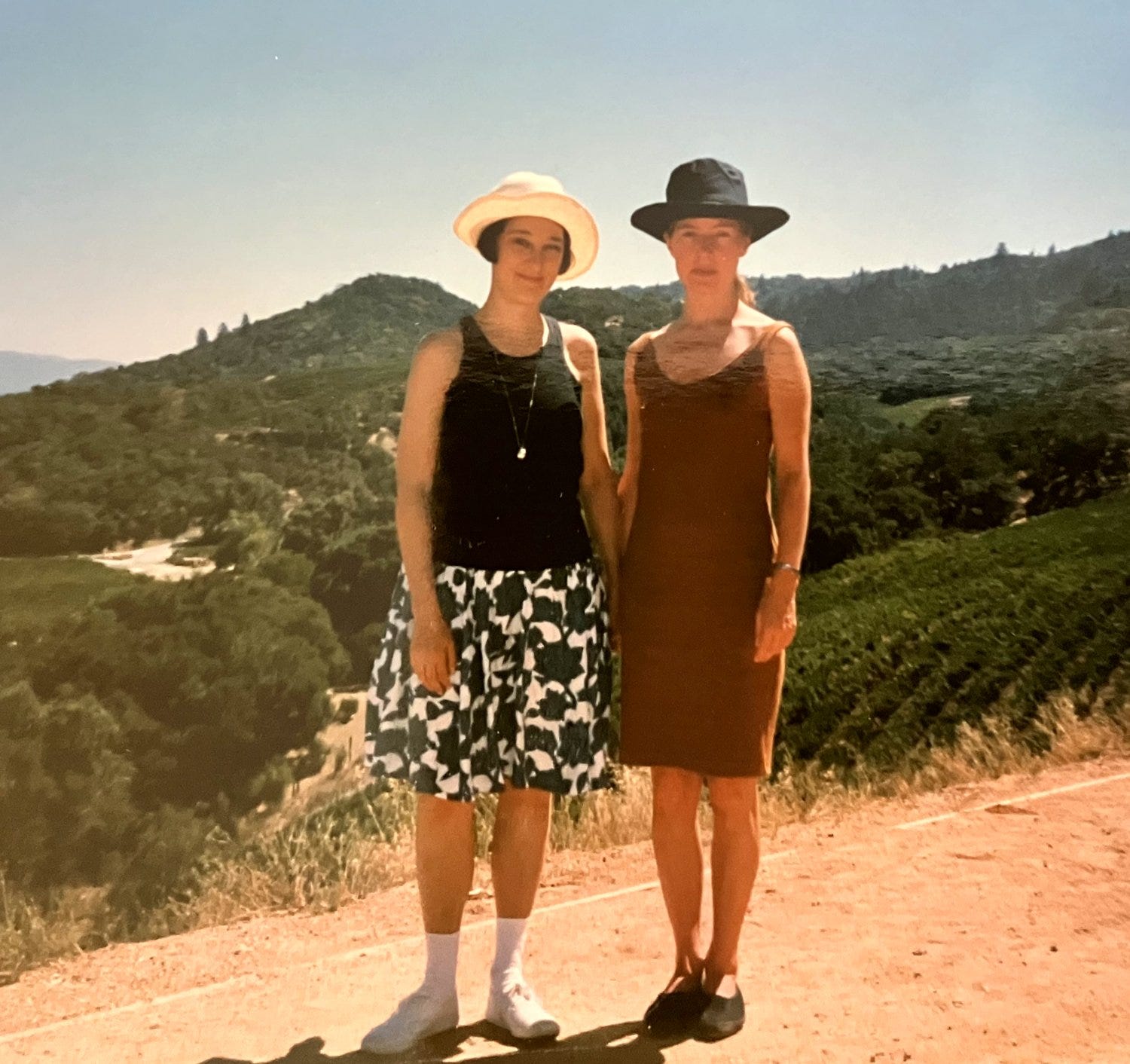
As my friend and I push toward the middle of our 70s, a process of unbecoming seems to be underway—unwinding the tangle of it all—simply being our story.
The rents paid for the Linda Street apartments are now $3200.
My story titled Adventure is included in my memoir.
~~~~~